
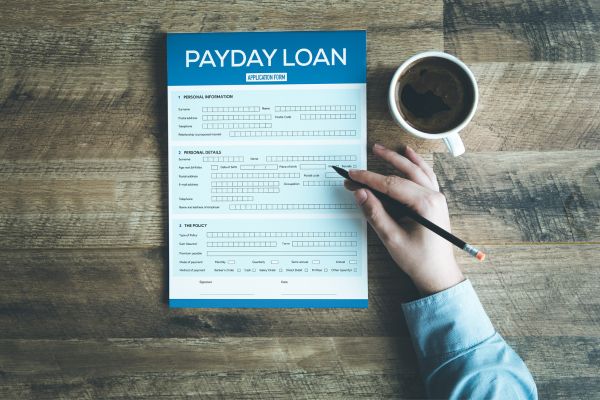
Payday loans are often taken out during moments that feel urgent and temporary. A car breaks down unexpectedly. Rent is due before payday arrives. Medical bills land at the worst possible time. In those moments, a short-term loan can seem like a quick solution — something small enough to handle later.
But later has a habit of arriving faster than expected.
For many borrowers, the real challenge begins when repayment deadlines collide with ordinary living expenses. One loan turns into two. Fees grow quietly in the background. Eventually, keeping up with payments starts feeling less like solving a problem and more like staying trapped inside one.
That’s why conversations around payday loan consolidation options have become increasingly important. People aren’t just searching for financial products. More often, they’re looking for breathing room — a way to simplify payments, reduce pressure, and regain some sense of stability.
Consolidation doesn’t erase debt overnight, and it certainly isn’t a perfect fix for every situation. Still, in the right circumstances, it can help borrowers step out of the exhausting cycle that payday loans sometimes create.
Why Payday Loans Become Difficult to Escape
The structure of payday lending is part of what makes repayment challenging.
These loans are usually designed around short timelines and high fees rather than long-term affordability. Borrowers often expect to repay the balance with their next paycheck, but life rarely cooperates so neatly. A delayed bill, reduced work hours, or another emergency can quickly disrupt the plan.
Once repayment becomes difficult, rollover fees and repeated borrowing start accumulating. What originally seemed manageable suddenly feels much larger than expected.
There’s also a psychological aspect people don’t talk about enough. Constant financial stress narrows decision-making. When someone feels trapped, short-term survival naturally takes priority over long-term planning.
That pressure is exactly why consolidation can feel appealing. Instead of juggling multiple lenders and payment dates, borrowers try to combine debts into something more structured and predictable.
What Loan Consolidation Actually Means
At its core, consolidation is relatively simple.
Multiple payday loan balances are combined into one larger payment arrangement, ideally with more manageable terms. Instead of handling separate due dates and fees, borrowers focus on a single monthly payment.
The goal usually involves reducing financial strain rather than eliminating debt immediately.
Some consolidation methods lower interest costs. Others extend repayment periods to make payments smaller and more sustainable. In certain situations, consolidation also reduces the emotional burden that comes from constantly monitoring several loans at once.
Still, not every consolidation option works the same way. Understanding those differences matters.
Personal Loans Offer a More Structured Alternative
One of the most common payday loan consolidation options involves using a traditional personal loan to pay off high-cost short-term debt.
Compared to payday lending, personal loans often provide longer repayment periods and more predictable monthly payments. Interest rates vary depending on credit history and income, but they are frequently lower than the effective rates attached to payday loans.
This structure can create a noticeable sense of relief for borrowers overwhelmed by multiple payment deadlines.
At the same time, approval is not always guaranteed. Borrowers already struggling with payday debt may have damaged credit or inconsistent income histories, which can make qualification harder.
Even so, some lenders specifically work with people rebuilding financially. The process may take longer than a payday loan application, but the repayment structure is usually far more sustainable.
Credit Counseling Programs Focus on Stability
Nonprofit credit counseling organizations often approach debt differently from traditional lenders.
Instead of issuing a new loan, many agencies help borrowers negotiate payment arrangements directly with creditors. The focus tends to be on budgeting, financial education, and creating structured repayment plans over time.
For some people, this approach feels less overwhelming because it combines practical guidance with debt management support.
A counselor may review income, monthly obligations, and outstanding debts to help determine what repayment level is realistically manageable. In certain cases, lenders agree to reduced fees or extended payment schedules.
The process requires patience, though. Debt management plans are rarely instant solutions. They’re more gradual and structured, which can feel unfamiliar to borrowers accustomed to the speed of payday lending.
Still, that slower pace is sometimes exactly what creates long-term improvement.
Debt Consolidation Loans Carry Both Benefits and Risks
Debt consolidation loans are often discussed positively, but they deserve careful consideration too.
A lower monthly payment can certainly help someone regain stability. However, extending repayment over a longer period may increase the total amount repaid over time, even if the immediate pressure decreases.
This is where realistic budgeting becomes important.
Consolidation works best when borrowers avoid taking on additional payday loans afterward. Otherwise, debt can quietly build again beneath the surface. Some people experience temporary relief only to find themselves managing both old habits and new repayment obligations simultaneously.
That doesn’t mean consolidation fails automatically. It simply means the broader financial pattern matters just as much as the loan structure itself.
Employer-Based Financial Assistance Is Quietly Expanding
In recent years, some employers have started offering alternatives to payday borrowing.
Earned wage access programs allow workers to access a portion of already-earned income before scheduled payday dates. While not technically consolidation, these programs can sometimes help borrowers avoid renewing or expanding payday debt.
There are also workplaces partnering with financial wellness programs that provide emergency assistance, budgeting support, or lower-cost lending options.
These resources are still unevenly available, but they reflect a growing recognition that short-term financial emergencies affect employee wellbeing and productivity more than many companies once acknowledged.
For borrowers already dealing with multiple payday loans, even small workplace assistance programs can create valuable breathing room.
Borrowing From Friends or Family Feels Complicated
Financial advice often suggests asking friends or family members for help before turning to high-interest loans. In reality, that option is emotionally complicated for many people.
Money can strain relationships quickly, especially when both sides feel uncertain or embarrassed about the situation. Some borrowers avoid asking for help entirely because they fear judgment or guilt.
Still, informal repayment arrangements occasionally provide the flexibility that formal lenders cannot.
Unlike payday lenders, family members usually don’t impose escalating fees or rigid deadlines. That flexibility can reduce stress considerably, though it also requires honest communication and realistic expectations.
The emotional side of debt is often overlooked in financial discussions, but it influences decisions more than spreadsheets sometimes suggest.
Consolidation Does Not Solve the Underlying Stress Alone
One thing becomes clear when discussing payday loan consolidation options: debt is rarely only about math.
Financial strain affects sleep, relationships, concentration, and mental health. Constant worry over repayment deadlines creates exhaustion that slowly builds over time.
Even after consolidation lowers payments, some borrowers continue carrying the emotional weight of past financial instability. That’s completely normal.
Recovery from debt pressure usually happens gradually. Small improvements — fewer collection calls, manageable payments, the ability to cover groceries without panic — often matter more initially than dramatic financial transformations.
In many ways, consolidation works best when paired with broader changes like budgeting adjustments, savings habits, or income stabilization over time.
Why Simplicity Matters in Debt Repayment
One reason consolidation appeals to so many borrowers is because simplicity itself has value.
Managing several payday loans simultaneously becomes mentally exhausting. Different lenders, payment portals, due dates, and fees create constant background stress. Simplifying that into one predictable payment can make finances feel less chaotic, even before balances decrease significantly.
Human beings tend to function better with clarity than confusion.
That’s partly why structured repayment systems often feel emotionally lighter, even when the total debt still exists. A clear path forward matters psychologically.
It transforms debt from something constantly escalating into something gradually manageable.
The Broader Shift Around Payday Lending
Public conversations around payday lending have changed noticeably over the last decade.
More people now recognize how quickly short-term borrowing can spiral into long-term financial strain. At the same time, there’s growing awareness that borrowers rarely turn to payday loans casually. Most are responding to genuine financial emergencies rather than reckless spending.
This shift has encouraged more discussion around alternatives, financial education, and consumer protections.
Consolidation has become part of that broader conversation — not as a miracle cure, but as one possible step toward regaining control.
Conclusion
Payday loan debt can feel isolating, especially when fees and repayment deadlines begin stacking on top of ordinary financial responsibilities. The pressure often grows quietly until even small expenses start feeling overwhelming.
That’s why payday loan consolidation options matter. They offer a way to simplify repayment, reduce immediate stress, and create more structure around difficult financial situations. Whether through personal loans, counseling programs, negotiated payment plans, or workplace support, consolidation can provide a path that feels more manageable than constantly rolling over short-term debt.
Still, consolidation is rarely about quick fixes. More often, it’s about slowing things down enough for stability to return gradually.
Financial recovery usually happens through small steps rather than dramatic changes. A manageable payment, fewer overdue notices, or simply sleeping better at night can become meaningful signs of progress.
And sometimes, that sense of progress is exactly what people need most when trying to move beyond the cycle of payday debt.